
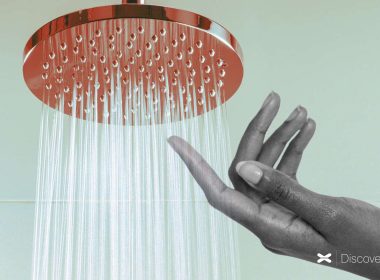


Taking a shower is one of the most routine activities in our daily lives, so much so that we often do it without giving a second thought to the water consumption involved. Yet just a few minutes under the shower can use up dozens of litres of water. Knowing how much water you use is the first step towards adopting more mindful habits, saving on your bills and making a tangible contribution to protecting the environment, without sacrificing comfort.
How much water flows during a shower?
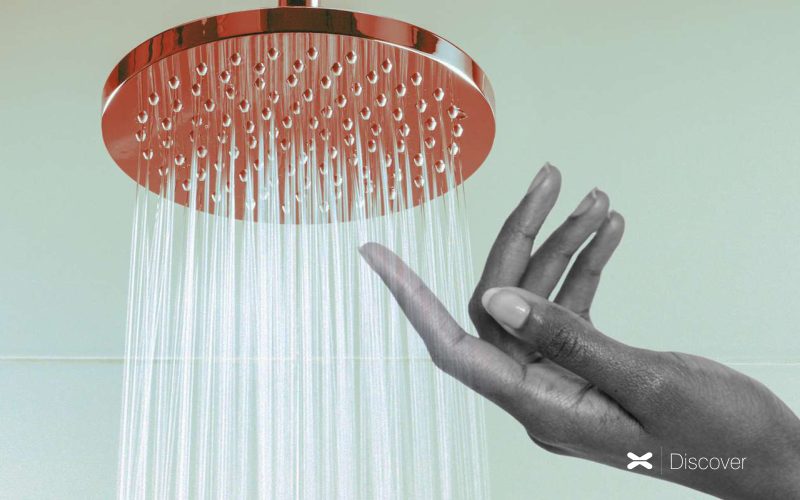
Many people are surprised to discover the volume of water that passes through a showerhead in just a few minutes. On average, a traditional showerhead delivers between 10 and 15 liters of water per minute, although some models can exceed this threshold. This means that a ten-minute shower can consume over 100 liters of water.
Of course, there are many variables. The system pressure, the type of showerhead installed, the desired temperature, and the time spent under the water significantly affect final consumption. Even small changes in your habits can translate into significant savings over the course of a year.
Being aware of these numbers allows you to better understand the impact of your daily choices. A shower is one of the main uses of drinking water in the home, along with flushing the toilet and washing clothes.
Why the time you spend in the shower makes all the difference
When wondering how much water is actually consumed during a shower, we often think only of the amount of water. In reality, time is also a determining factor.
A difference of just five minutes may seem negligible, but multiplied across all family members and over an entire year, it becomes significant. If a person habitually extends their shower from five to ten minutes, they can use thousands of liters of extra water over the course of twelve months.
Energy consumption also increases. Water must be heated, and this requires energy, regardless of whether you use a traditional boiler, a heat pump, or other domestic hot water production systems. Reducing the duration of your shower therefore means saving both water and energy.
It’s not about giving up the pleasure of a relaxing moment, but about finding a balance. A five or six-minute shower is often enough to ensure thorough hygiene, especially if you avoid letting the water run unnecessarily while applying shampoo or shower gel.
These small, seemingly insignificant measures help reduce waste without radically changing your habits.

Small gestures that make a big difference
Saving water doesn’t necessarily require radical changes. It is often the simplest habits that yield the best results.
Turning off the tap whilst soaping yourself or applying shampoo helps to avoid unnecessary wastage. Similarly, taking a shower that is slightly shorter than usual can significantly reduce your overall water consumption.
It is also important to check the condition of the shower head regularly. Leaks, drips or worn parts can lead to constant wastage, which is often underestimated because it is spread out over the course of the day.
Involving the whole family is a further step towards managing resources more responsibly. When every member pays attention to their own behaviour, the overall savings become significant.
The aim is not to sacrifice our quality of life, but to learn to use water more mindfully, making the most of a precious resource that should never be taken for granted.
Comfort and sustainability can go hand in hand
In recent years, the bathroom has increasingly become a space dedicated to relaxation and personal wellbeing. This does not, however, mean that comfort and sustainability are at odds with one another.
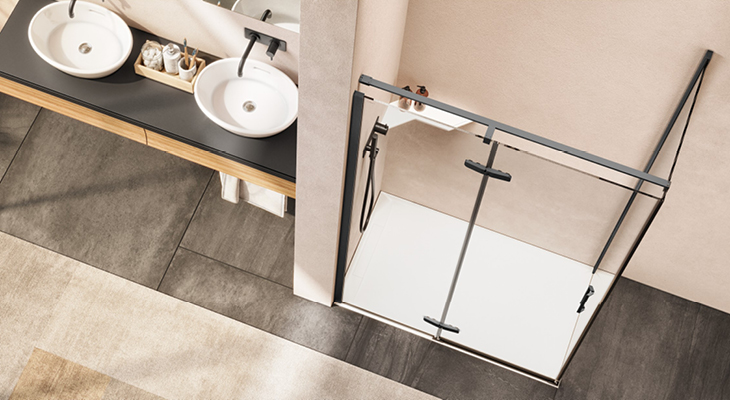
The most innovative technologies demonstrate that it is possible to enjoy a pleasant shower experience whilst minimising waste. Attention to materials, showerhead performance, shower enclosure design and the efficiency of the systems makes it possible to combine aesthetics, functionality and respect for the environment.
For a company like Relax, which manufactures shower enclosures designed to enhance everyday moments of wellbeing, comfort goes hand in hand with quality and design focused on long-term durability.
Every choice made during the bathroom design process can help to create a more efficient and pleasant space to live in. Sustainability also stems from everyday decisions, including those relating to the shower.
Being informed about one’s own consumption means having the tools to make more informed choices, improving both the comfort of the home and our relationship with a vital resource such as water.
Conclusion
Knowing how many litres of water you use in the shower enables you to make more responsible choices without sacrificing the pleasure of your daily wellness routine. All it takes is a few simple measures, efficient technology and high-quality products to reduce waste, cut down on consumption and make a tangible contribution to protecting the environment, day after day.